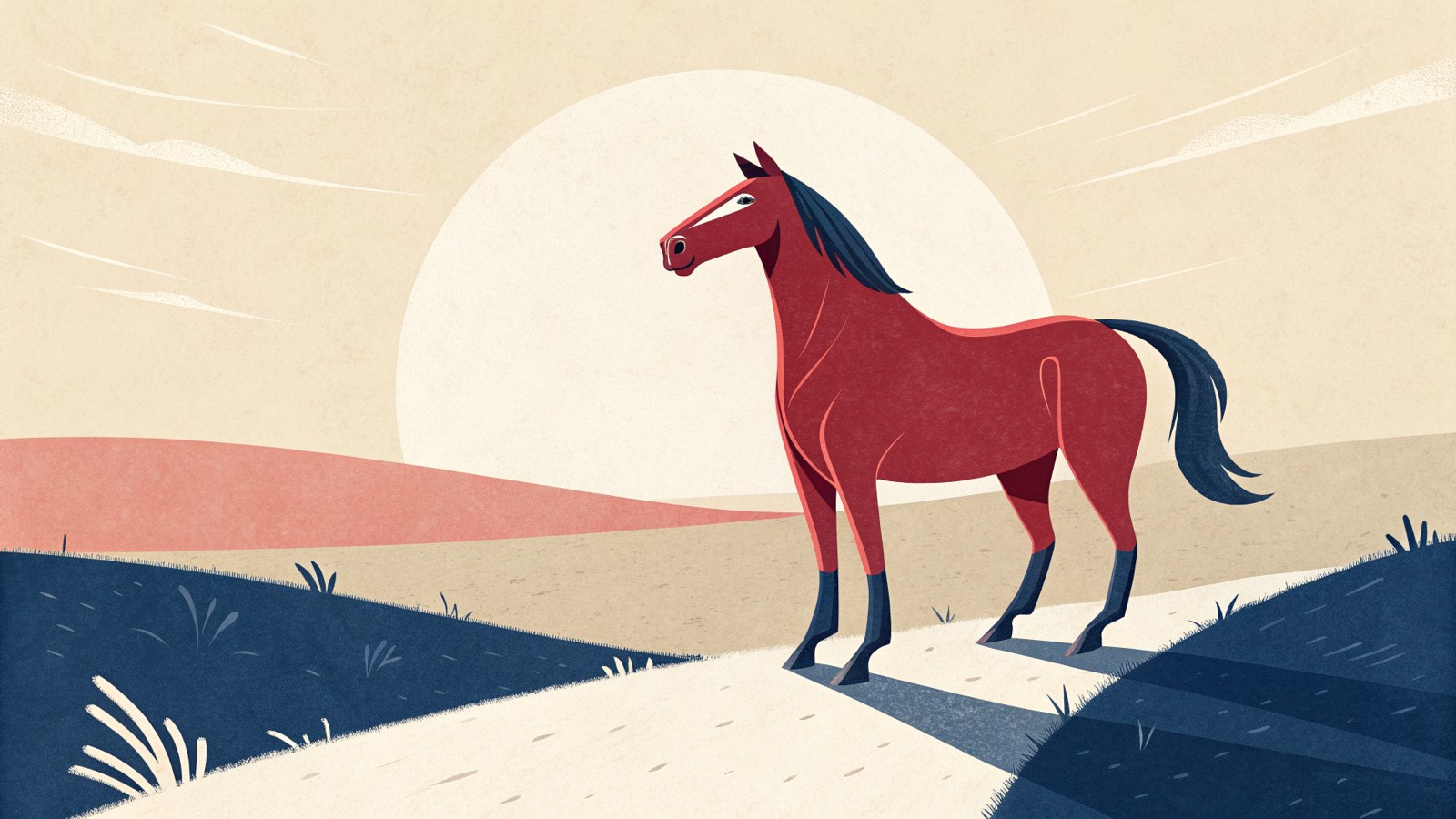
"What was Marshal Piłsudski's horse called?"
This is not a test of equestrian knowledge. The consul is checking whether you feel Polish culture in a living way, rather than reproducing a memorised list. Kasztanka is one of those names that in Poland people know without explanation. If you know this name — you are "one of us". If not — the consul sees it instantly.
Who was Piłsudski — and why he matters so much
Józef Piłsudski is the man who restored Poland. After 123 years of partitions between Russia, Prussia and Austria, Poland as a state did not exist. On 11 November 1918 it was reborn — and Piłsudski stood at the centre of that. He led the Polish Legions in the First World War, became the first Chief of State of reborn Poland, and in 1926 carried out a coup, ruling the country in practice until his death in 1935.
In Polish collective memory he occupies a place similar to the one Shevchenko occupies in Ukrainian — father of the nation, symbol of rebirth, a person impossible not to know. The consul is not asking your opinion of Piłsudski. He is checking whether you know who this is.
Don't stop at the article
The bot has 750 questions in the format of a real consul interview, instant feedback, and a mock exam. Try it for free.
Check your level →Who was Kasztanka
Kasztanka was a small bay mare that Piłsudski acquired around 1914. Her name simply means "Chestnut" in Polish — from the colour of her coat. She accompanied him through the years of the First World War and the fights for independence. He rode her at ceremonies, reviews and parades — she was his horse.
The key moment in Polish collective memory is the Battle of Warsaw in 1920, which Poles call the "Miracle on the Vistula". The Polish Army under Piłsudski's command stopped the Red Army advance that was already approaching Warsaw. This saved not only Poland — it stopped the spread of Bolshevism westward. Piłsudski on Kasztanka became an iconic image of that victory.
Kasztanka died in 1927. After her death she was taxidermied and put on display at the Polish Army Museum in Warsaw — where she remains to this day. For Poles this is a mark of respect — just as flags and uniforms are preserved.
Why this question is about culture, not a fact
The consul can ask "when was Piłsudski born" — and get the correct date from someone who memorised a list. But "what was his horse called" is a different level. This name is not in official tests. People know it because they live in Polish culture.
That is exactly what the consul is checking. Not whether you can reproduce a list — but whether you feel Poland as a living tradition. The answer "Kasztanka" is a signal: "yes, I am in this context". A pause and "I don't remember" — the opposite signal.
What you need to know — short and clear
For the interview it is enough to answer confidently on a few points. Here is the minimum:
- Kasztanka:Bay mare, favourite horse of Marshal Józef Piłsudski
- Name:From «kasztan» — chestnut; named after the colour of her coat
- Years:Accompanied Piłsudski through WWI and the independence struggle; died 1927
- Where now:Taxidermied and on display at the Polish Army Museum in Warsaw
- Piłsudski:First Chief of State of reborn Poland (1918), victor of the Battle of Warsaw 1920
- 11 November:Polish Independence Day — the date of the state's rebirth in 1918
- Miracle on the Vistula:Poland's victory over the Red Army in August 1920 — one of the key battles of the 20th century
Test yourself — do you know this in the bot?
PLTest has questions about Piłsudski, Kasztanka and interwar Poland — exactly the kind the consul asks. Try a few — see where the gaps are.
Test in the bot →Upcoming articles
Continuing the series on topics the consul asks about: