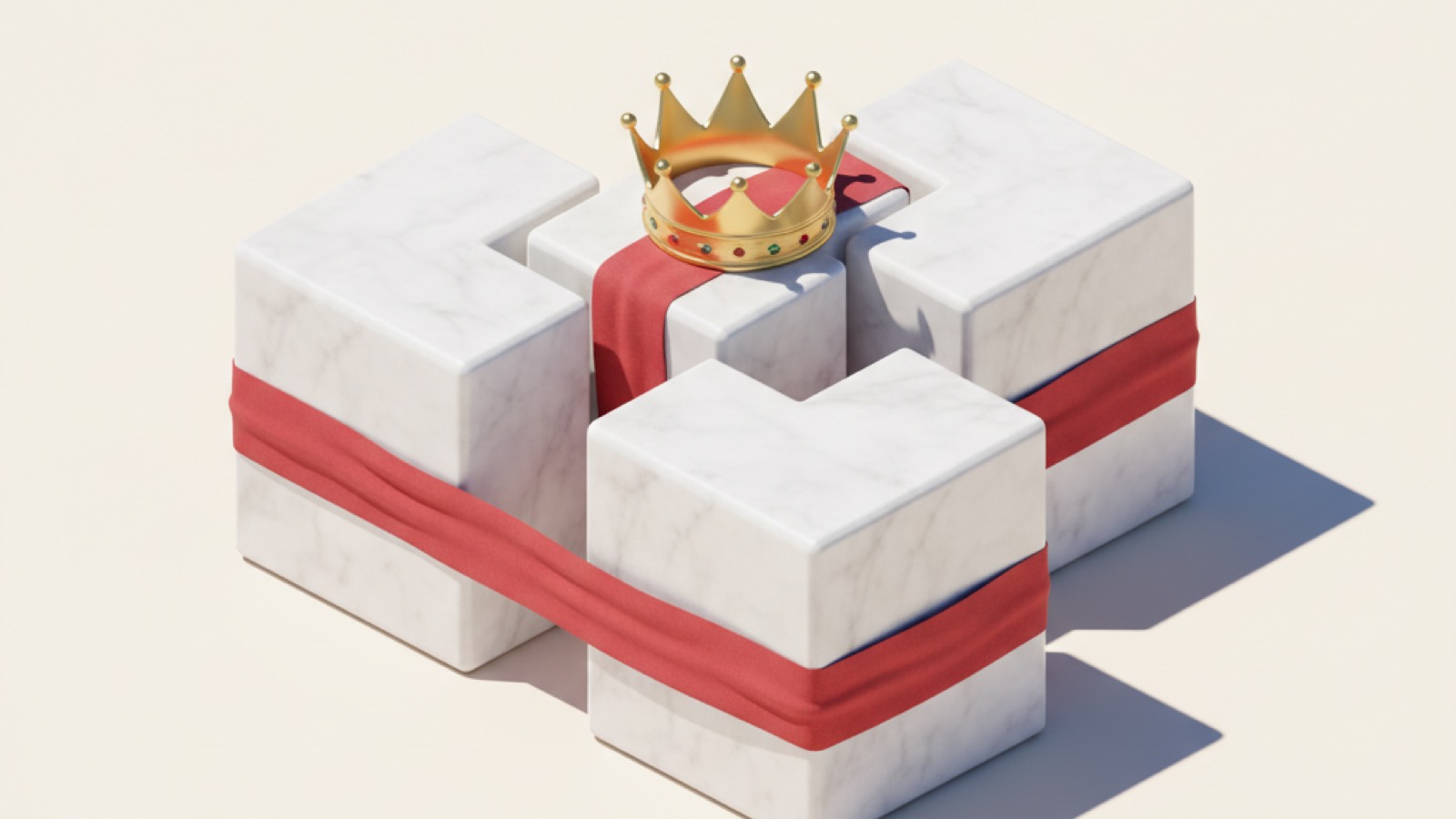
Seven hours of debate: how the 1791 constitution was adopted
On May 3, 1791, the Four-Year Sejm (Wielki Sejm, in session from 1788 to 1792) adopted the Government Act — the document that went down in history as the Constitution of May 3. The moment was chosen deliberately: many opponents of the reform had not yet returned from the Easter recess. After seven hours of debate, the Sejm approved the constitution, and King Stanisław August Poniatowski signed it the same day.
It was the first modern constitution in Europe and the second in the world — after the US Constitution of 1787. Several authors worked on the document: King Stanisław August Poniatowski himself, Ignacy Potocki, Hugo Kołłątaj, and Adam Stanisław Krasiński; the Italian advisor Scipione Piattoli is also named among the text's inspirations.
What actually changed: the end of noble liberties
The constitution abolished liberum veto — the right of a single deputy to void a decision of the entire Sejm — along with the practice of confederations; decisions were now made by majority vote. It also abolished the free election of the king, a practice that had proven unworkable in the 18th century: the throne became hereditary, set to pass to the House of Wettin after Stanisław August's death. A separation of powers into legislative, executive, and judicial branches was introduced, modeled on Montesquieu.
Burghers gained the right to buy land and hold state offices — previously a monopoly of the nobility. Peasants were placed under the official protection of the law: if a landowner broke the terms of an agreement with them, the peasant could go to court. But it's important not to overstate this: the constitution did not abolish serfdom, and peasants did not gain personal freedom — that had to wait more than half a century.
Don't stop at the article
The bot has 750 questions in the format of a real consul interview, instant feedback, and a mock exam. Try it for free.
Check your level →The price of reform: the Targowica Confederation and the second partition
Magnates alarmed by the strengthened central authority formed the Targowica Confederation as early as 1792 and called in the Russian Empire for help. The Polish-Russian War of 1792 began; the king capitulated and joined Targowica himself. As a result, the very next year, 1793, saw the Second Partition of the Polish-Lithuanian Commonwealth, carried out by Russia and Prussia.
The longest ban: 32 years as a holiday, 39 years banned
The tradition of solemnly marking the anniversary goes back to 1792, but Constitution Day only became an official state holiday on April 29, 1919 — when the Legislative Sejm (Sejm Ustawodawczy) of the newly restored state recognized the date as a national holiday. From 1919, the celebrations were accompanied by a military parade, and from 1925 the date also gained a religious dimension — the feast of Our Lady, Queen of Poland (Matka Boska Królowa Polski) was established for that day.
But this state holiday lasted only 32 years. The communist authorities removed Constitution Day from the list of official days off through the very same law of January 18, 1951 that (in its amended form) still governs all 14 of Poland's holidays today — the same law mentioned in the article on May 1. The ban lasted 39 years — longer than the holiday had officially existed before it. Despite the ban, Poles kept protesting: slogans like "Niech żyje 3 Maja" ("Long live May 3") appeared painted on city walls ahead of the date, and some families deliberately kept the state flags raised on May 1 flying all the way through May 3 — despite the risk of fines from the militia.
The holiday was restored to the calendar by a law of April 6, 1990. The first official celebrations took place on Castle Square in Warsaw, in the presence of then-President Wojciech Jaruzelski — the very same man who, only a few years earlier, had headed the country's communist government.
How it's celebrated today
The main state ceremonies take place at the Tomb of the Unknown Soldier in Warsaw: a change of the honor guard, a gun salute, and a parade of honor companies. In Kraków, the traditional march runs from Wawel to Jan Matejko Square. Since 1990, May 3 has been an official state holiday, and together with May 1 (Labour Day) and May 2 (Flag Day) it forms the long weekend Poles call "majówka."
Common mistakes to avoid:
- Treating the Constitution of May 3 as "just an old document" unrelated to the modern holiday — in reality, the holiday's own observance has a separate, dramatic 20th-century history.
- Claiming the constitution abolished serfdom or gave peasants personal freedom — in reality it only placed them under the law's protection regarding contracts, nothing more.
- Confusing the date the holiday became an official day off (1919) with the date of the constitution itself (1791) — a 128-year difference.
- Not knowing that the communist authorities banned the holiday through the very same 1951 law that still governs the list of days off today.
- Forgetting the date's second, religious dimension — the feast of Our Lady, Queen of Poland, established in 1925.
The Constitution of May 3 is more than just the "oldest holiday" on the list: it's the only one of the 14 to have survived an official ban and returned. That very story of a banned and revived holiday is what separates a deep interview answer from a formal "it's our first constitution." In the PLTest bot's "Mock Interview" mode, you can practice this answer with a timer and instant feedback.
Frequently asked questions
When was Poland's May 3 Constitution adopted?
On May 3, 1791, during the session of the Four-Year Sejm (1788-1792), after seven hours of debate. It was the first modern constitution in Europe and the second in the world — after the US Constitution of 1787.
What holiday is celebrated on May 3?
The National Holiday of the Third of May (Święto Narodowe Trzeciego Maja) — the anniversary of the 1791 Constitution's adoption. It became an official state day off in 1919, was banned by the communist authorities from 1951 to 1990, and was restored by a 1990 law.
Why is the May 3 Constitution considered so important for Poland?
It abolished liberum veto and the free election of the king, introduced separation of powers, and expanded the rights of burghers — while also provoking the Targowica Confederation and the Second Partition of the Commonwealth as early as 1793. For Poles, it symbolizes both the drive for reform and its tragic cost.
Did the May 3 Constitution abolish serfdom?
No. Peasants were placed under the law's official protection regarding contracts with landowners, but the constitution did not abolish serfdom — peasants gained personal freedom only in the 19th century.
Which two of Poland's most important state holidays are often named together?
Most often, May 3 (Constitution Day) and November 11 (Independence Day) — both symbolize statehood, though from different periods of history.