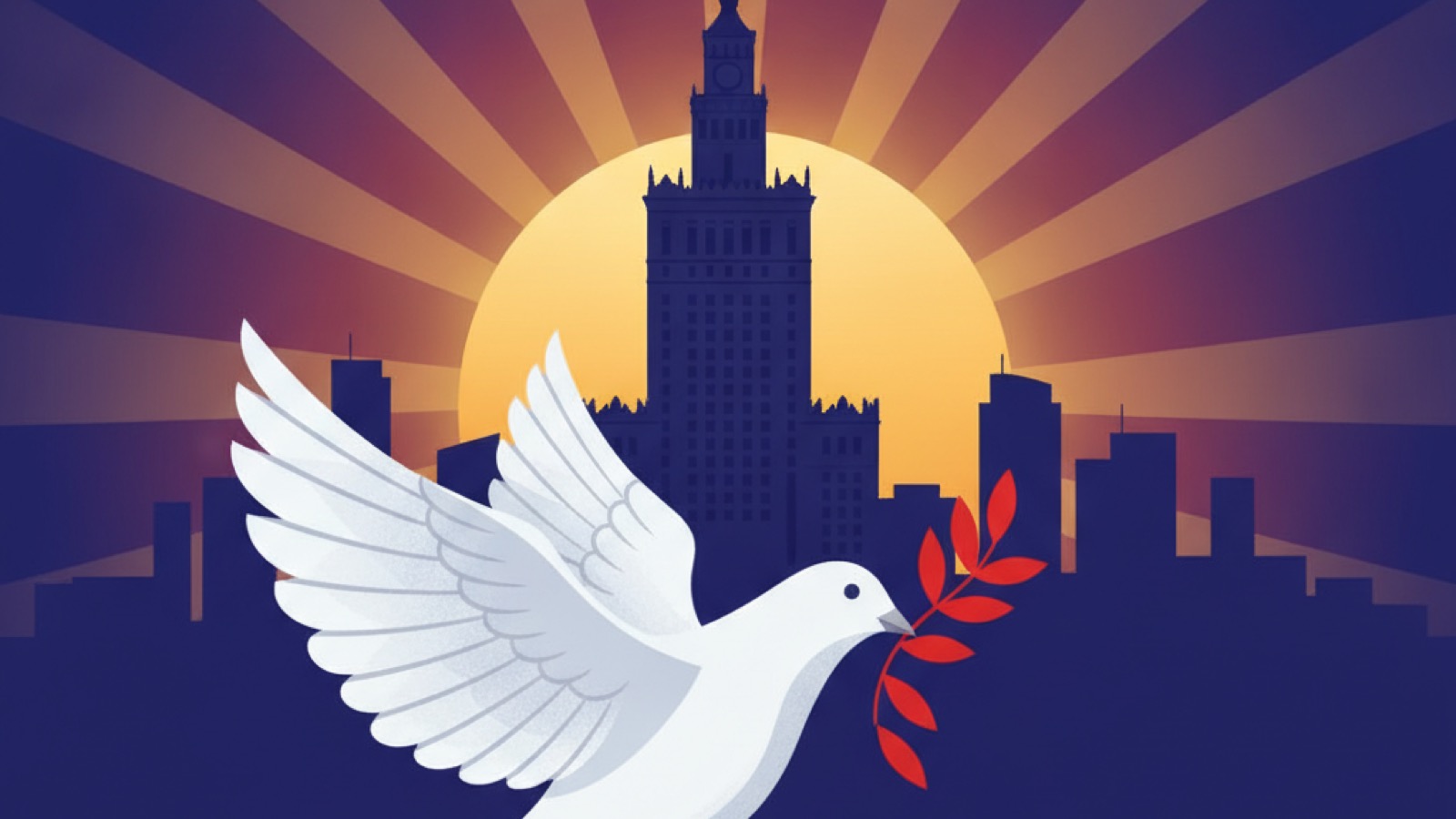
January 1 — a state holiday and the start of 14 official public holidays
On January 1, Poland celebrates Nowy Rok (New Year's Day) — the first of the country's 14 official public holidays. In the full holiday calendar's classification, it's one of 4 state (secular) holidays alongside Labour Day, Constitution Day, and Independence Day — as opposed to the 10 church holidays. But the date itself turns out to be more layered than it looks: it's simultaneously a state day off and one of the oldest feast days in the Catholic liturgical year.
The legal basis: a law dating back to 1951
All 14 official public holidays in Poland, including January 1, are regulated by the Act of 18 January 1951 on non-working days (Ustawa z dnia 18 stycznia 1951 r. o dniach wolnych od pracy). The law has been amended repeatedly: in 2010, Epiphany (January 6) was restored to the list after being abolished under communist rule, and the most recent change came in 2025, when Christmas Eve (December 24) was added as the 14th item on the list. It's this single law, not any separate decree about New Year's Day specifically, that's the legal basis for January 1 being a day off.
One of the oldest Marian feast days
In the Catholic calendar, January 1 is the Solemnity of Mary, Mother of God (Uroczystość Świętej Bożej Rodzicielki Maryi) — a holy day of obligation requiring Mass attendance. One of the Church's oldest Marian observances actually has a longer history of dates: in 1931, Pope Pius XI established a feast of the Divine Motherhood of Mary on October 11, marking the 1500th anniversary of the Council of Ephesus in 431 AD, which officially recognized Mary's title of Theotokos (Mother of God). It was only Pope Paul VI's 1969 liturgical reform that moved the feast to January 1 and raised it to its highest rank — the day that closes the Christmas octave.
Don't stop at the article
The bot has 750 questions in the format of a real consul interview, instant feedback, and a mock exam. Try it for free.
Check your level →The night before: where the name "Sylwester" comes from
Poles call the night between December 31 and January 1 Sylwester — after Pope Sylvester I, who died on December 31, 335 AD. He was one of the Church's early popes: his papacy began shortly after the Edict of Milan of 313 AD, which legalized Christianity, and in 325, during his pontificate, the First Council of Nicaea took place. In Poland, Sylwester is associated mainly with parties until midnight, fireworks, and New Year's wishes — a secular tradition that exists alongside the following day's church holiday.
January 1 is also World Day of Peace
Since 1968, the Catholic Church has marked January 1 as World Day of Peace (Światowy Dzień Pokoju) — an idea proposed by Pope Paul VI in a letter dated December 8, 1967, against the backdrop of the Vietnam War, the Six-Day War in the Middle East, and the Cold War. Every year the Pope addresses a message to the world for this day — one more layer of meaning stacked onto the same date.
What the consul asks
Unlike holidays such as Easter or November 11, January 1 rarely becomes a topic for deep questioning at the consular interview — the consul usually checks basic knowledge: how many official public holidays Poland has in total (14), which category New Year's Day falls into (state or church), and whether you know the law that regulates them. This question often comes paired with the general holiday list rather than as a standalone topic.
Nowy Rok — a state day off under the 1951 law, and simultaneously the Solemnity of Mary, Mother of God in the Catholic calendar.
14, regulated by the Act of 18 January 1951 on non-working days — 4 state holidays and 10 church holidays.
Sylwester, after Pope Sylvester I, who died on December 31, 335 AD.
Common mistakes
Officially it's a state (not church) holiday under Poland's classification, but the Catholic Church separately marks the same day as one of its oldest Marian feasts.
Sylwester is the night between December 31 and January 1 and the party beforehand; Nowy Rok is the day off itself, January 1.
All 14 days off, including January 1, are regulated by a single law — the 1951 Act on non-working days — not separate decrees for each holiday.
Epiphany (January 6) was abolished under communist rule and only restored in 2011 — the holiday calendar hasn't always looked the way it does today.
Frequently asked questions
What holiday is celebrated in Poland on January 1?
Nowy Rok — a state day off, the first of Poland's 14 official holidays, and simultaneously the Solemnity of Mary, Mother of God in the Catholic calendar.
What law regulates official public holidays in Poland?
The Act of 18 January 1951 on non-working days — it regulates all 14 holidays and was last significantly amended in 2025 (adding Christmas Eve, December 24).
Where does the name Sylwester come from?
From Pope Sylvester I, who died on December 31, 335 AD — his feast day falls on that exact date.
How does New Year's Day as a church holiday differ from the state one?
The state classification treats January 1 as a secular day off, while the Catholic Church separately marks the same day as a holy day of obligation honoring the Mother of God.
What else is celebrated on January 1 worldwide?
World Day of Peace, established by Pope Paul VI in 1968 as an annual message to all humanity.